Myth Case Study
Experiential Design
The Challenge: In one of my graphic design class, we were challenged to create a myth based around a topic or place that we are interested in. The point was to make the impossible seem believable through storytelling and authentic creation. The project involved a lot of experimentation, specifically surrounding type, layout choices, and using woodworking as a form of design to back up the story.
THE MYTH
In the Boundary Waters Canoe Area Wilderness, an unknown person or creature turns unsuspecting campers into carved wooden figures.
The origin
The idea for this myth came from a story my friends and I made up while we were in the Boundary Waters. The story was that there was a man living in the woods that turned campers into wooden figurines if they disrespected the land or wildlife. This project seemed like the perfect opportunity to expand on this story, and the spookiness and mystery of the Boundary Waters makes it more convincing.
the artifacts
When I originally started this project, the myth was centered around a set of disappearances that happened at a specific lake in the 1980s. I created artifacts to reflect that: a police report, a newspaper article, and a wooden figure, pictured to the right. Creating pieces that felt authentic to the time involved strategic design and adaptability, since I had to make concious choices about type, layout, background, and content, all to fit the narrative.
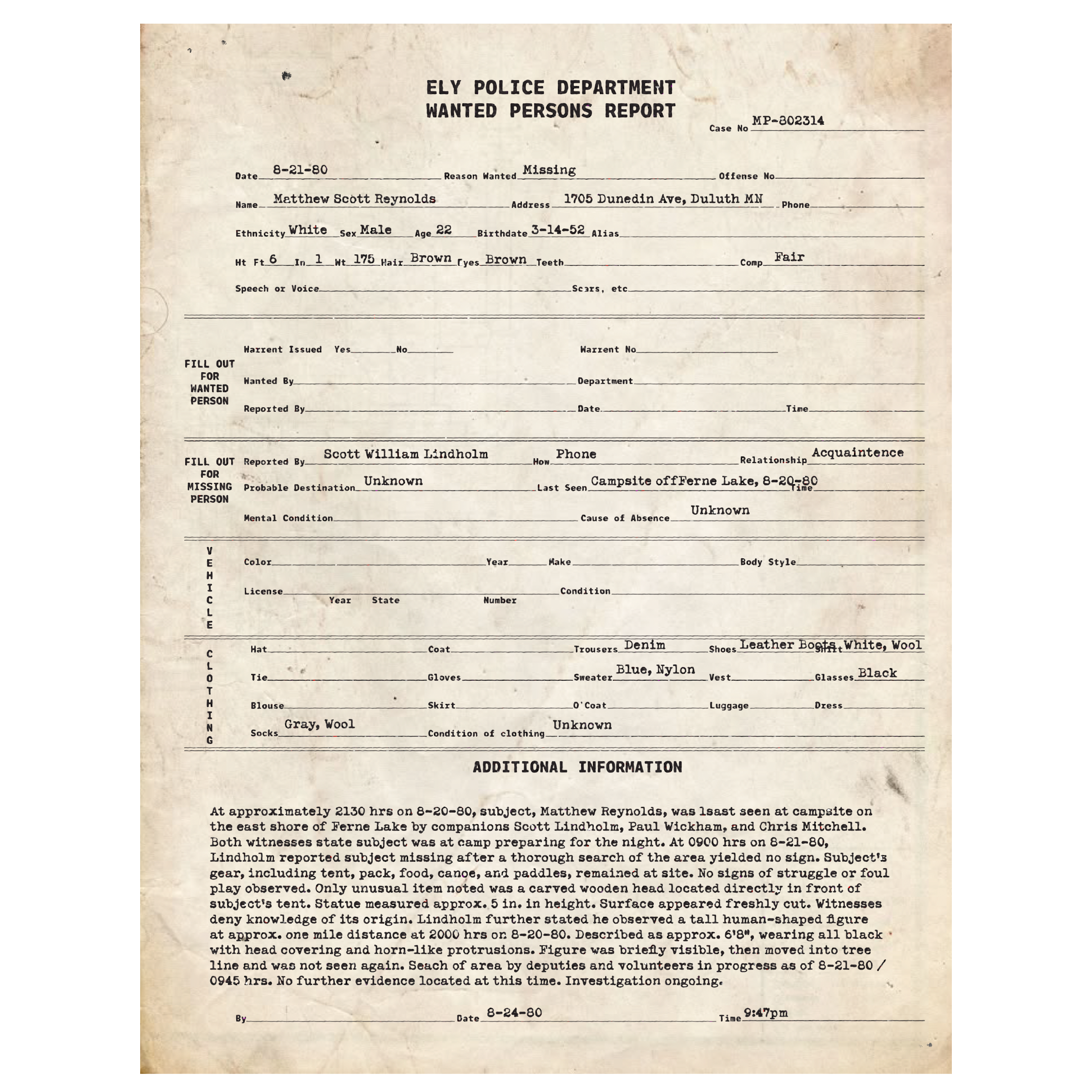
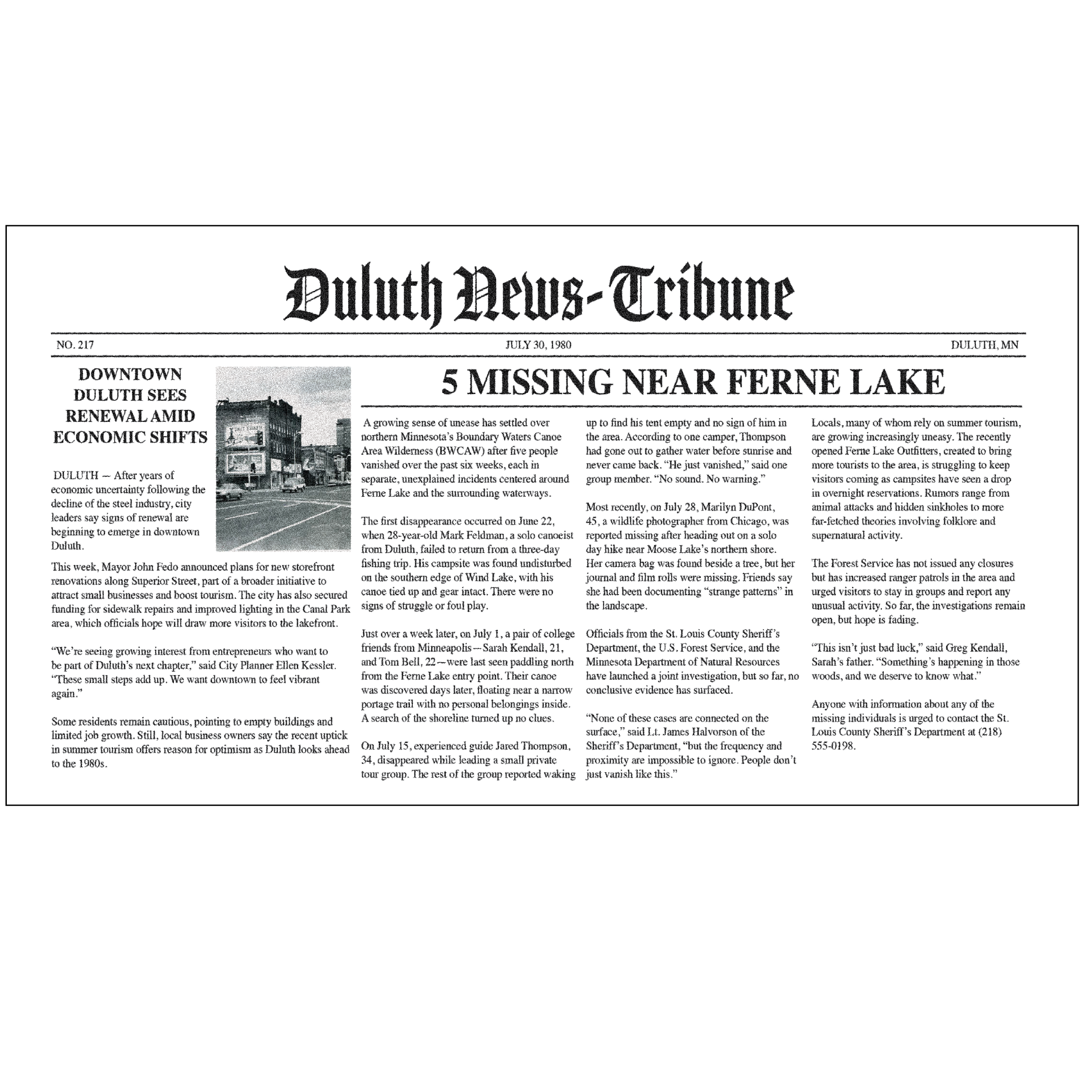
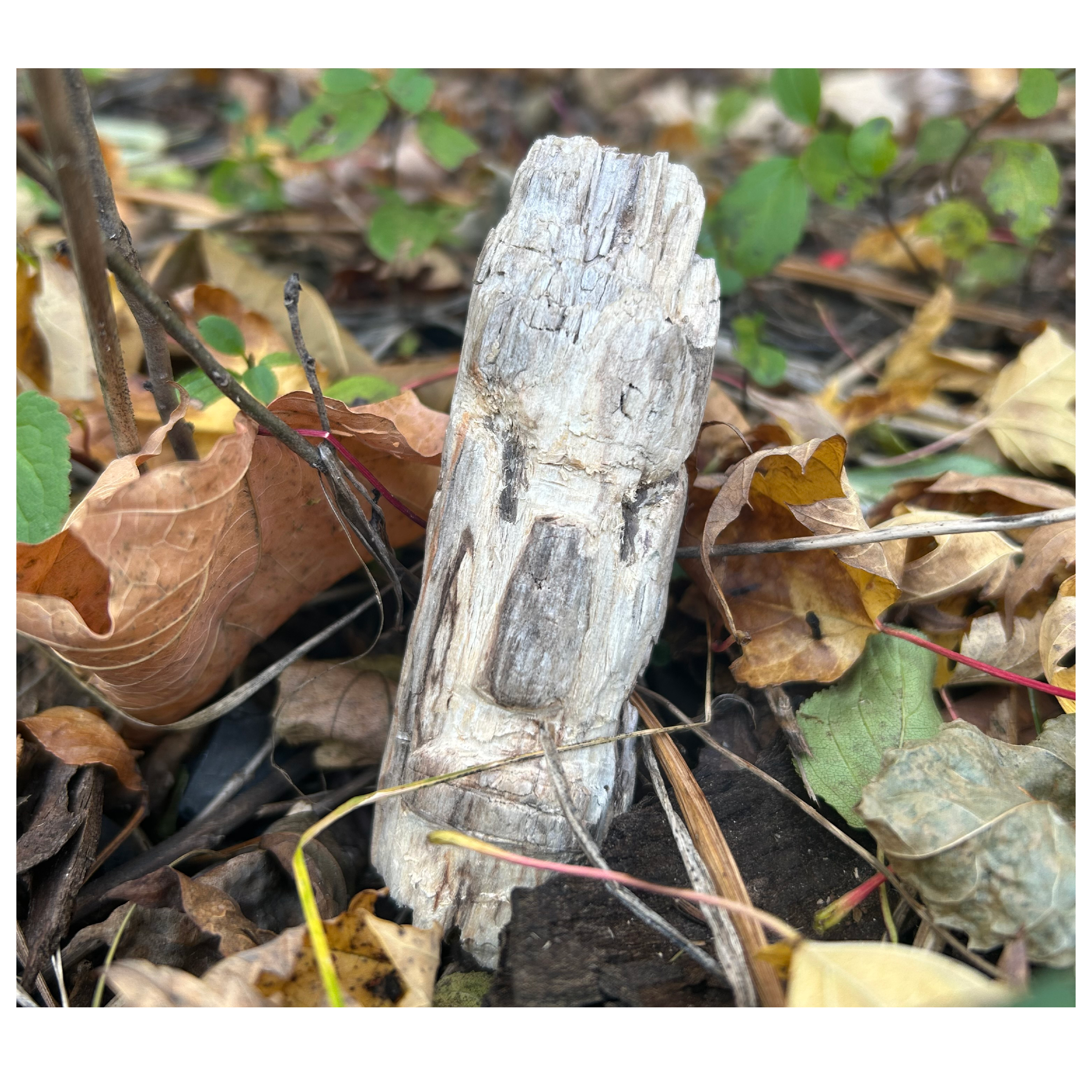
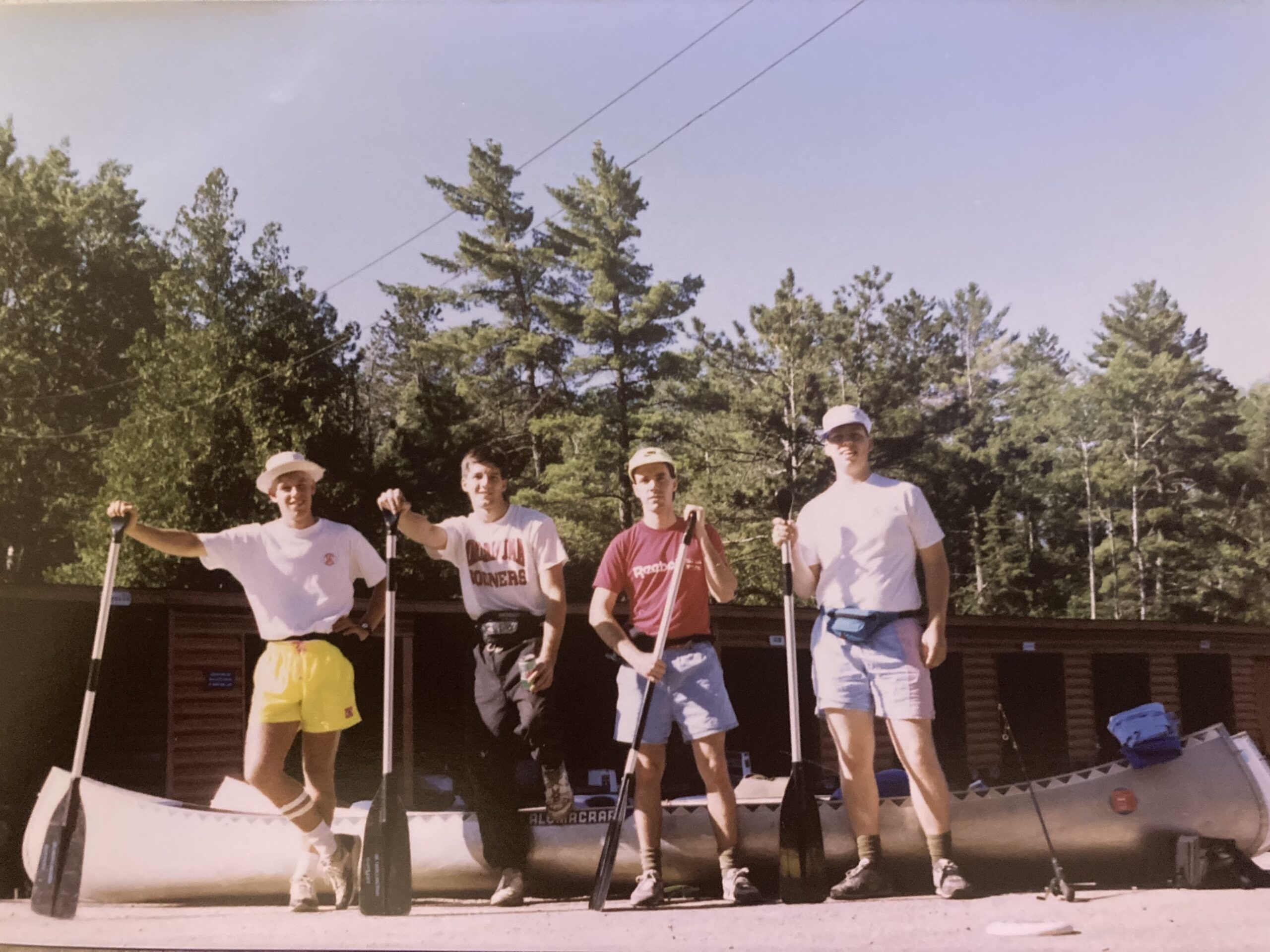
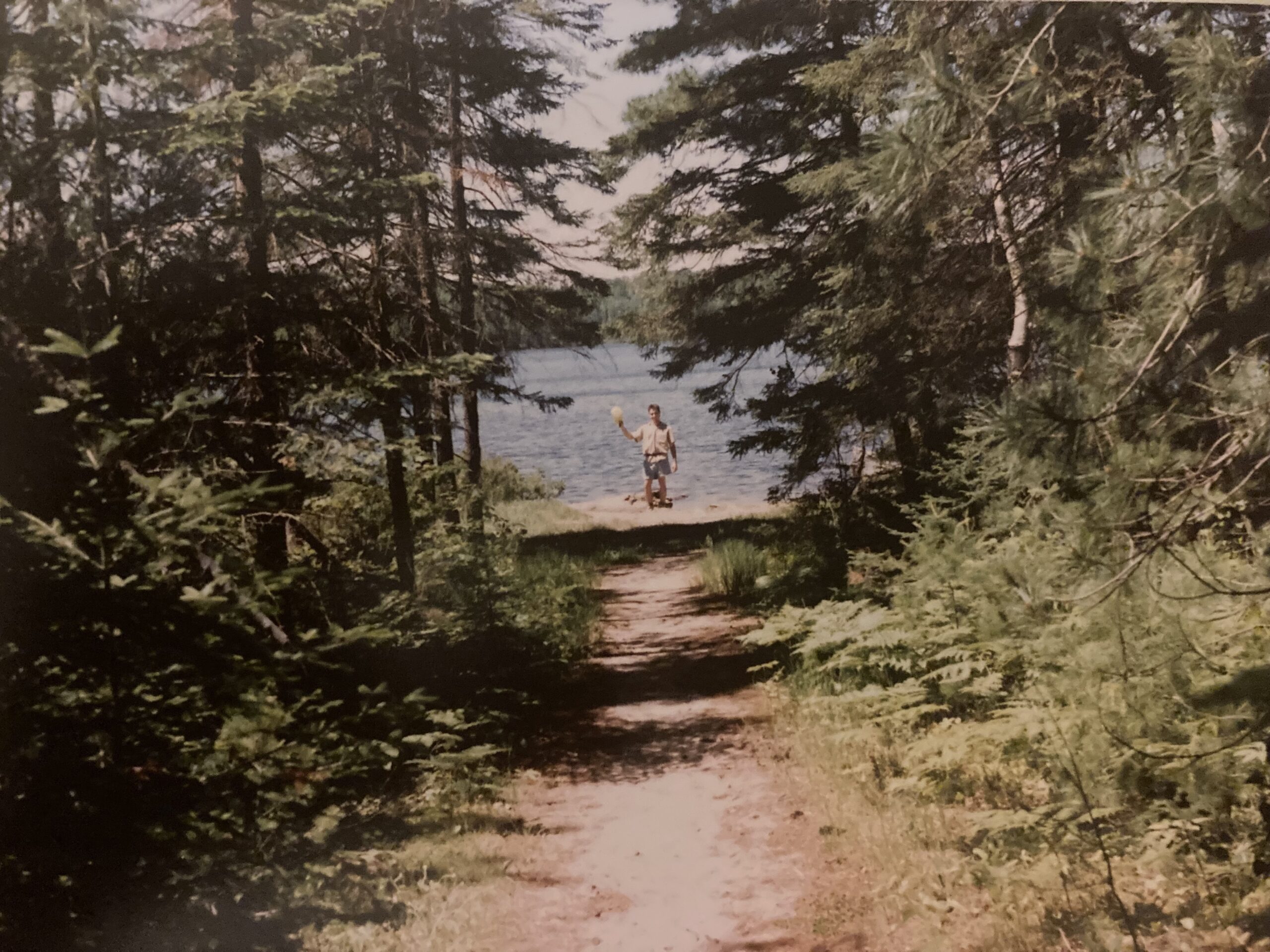
Photos of "missing persons," courtesy of my dad
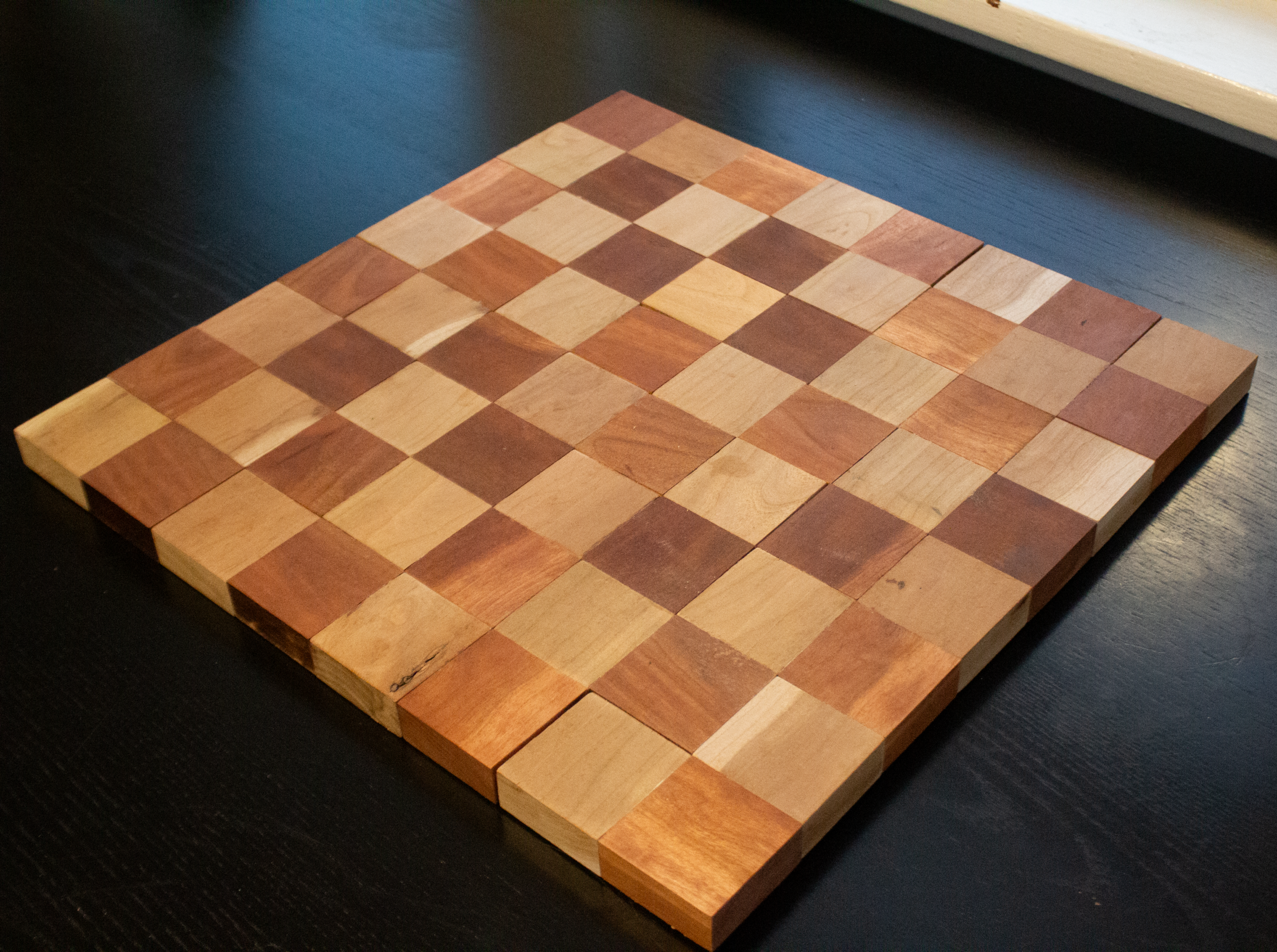
Part 2: a cryptic chess board
For the final part of this project, we were tasked to make some kind of piece corresponding with the myth, acting as if the myth were real. What type of piece we made was up to us: some students did branding for a made up company, some created a typeface, some made children's books or recipe books.
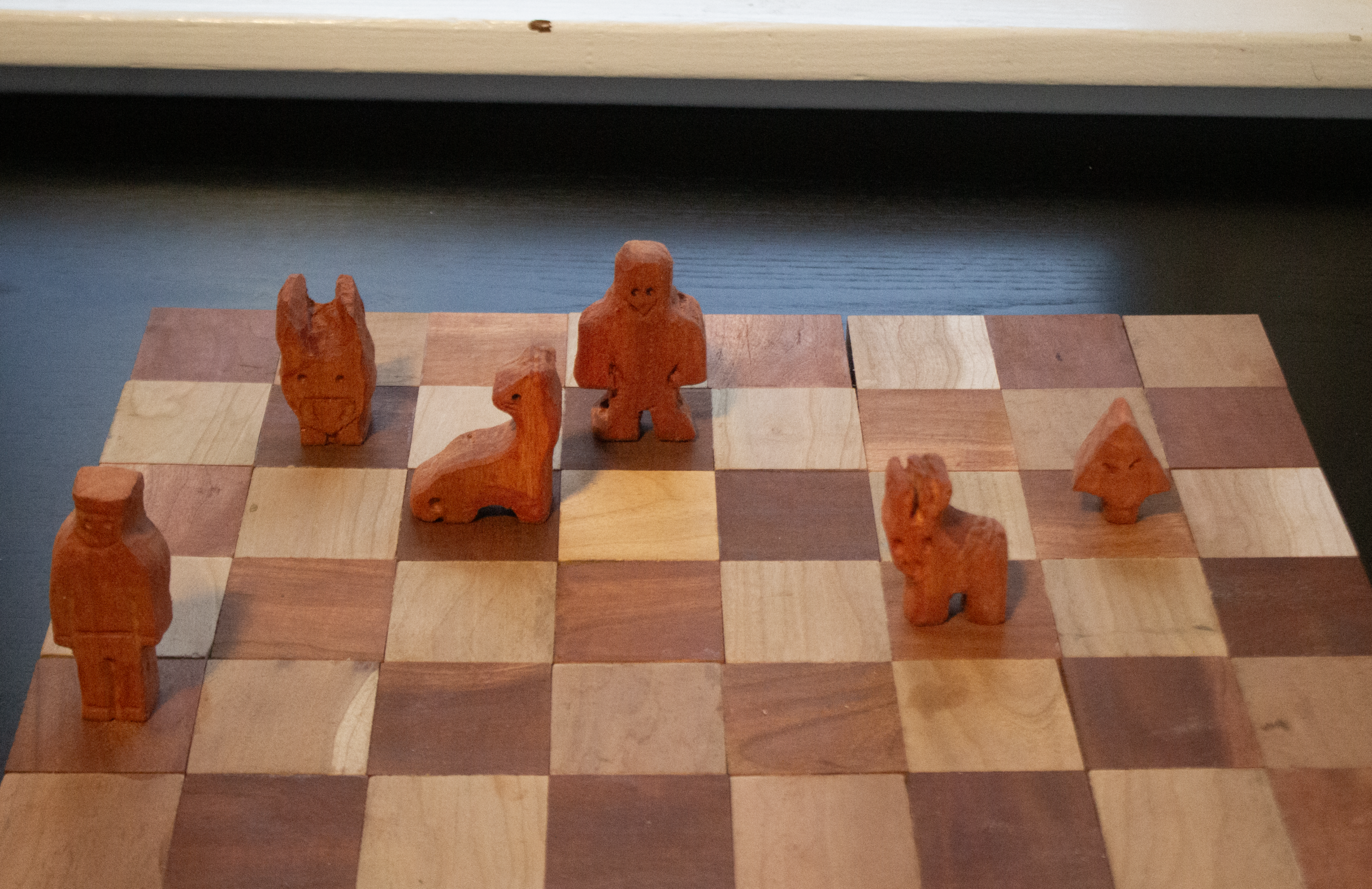
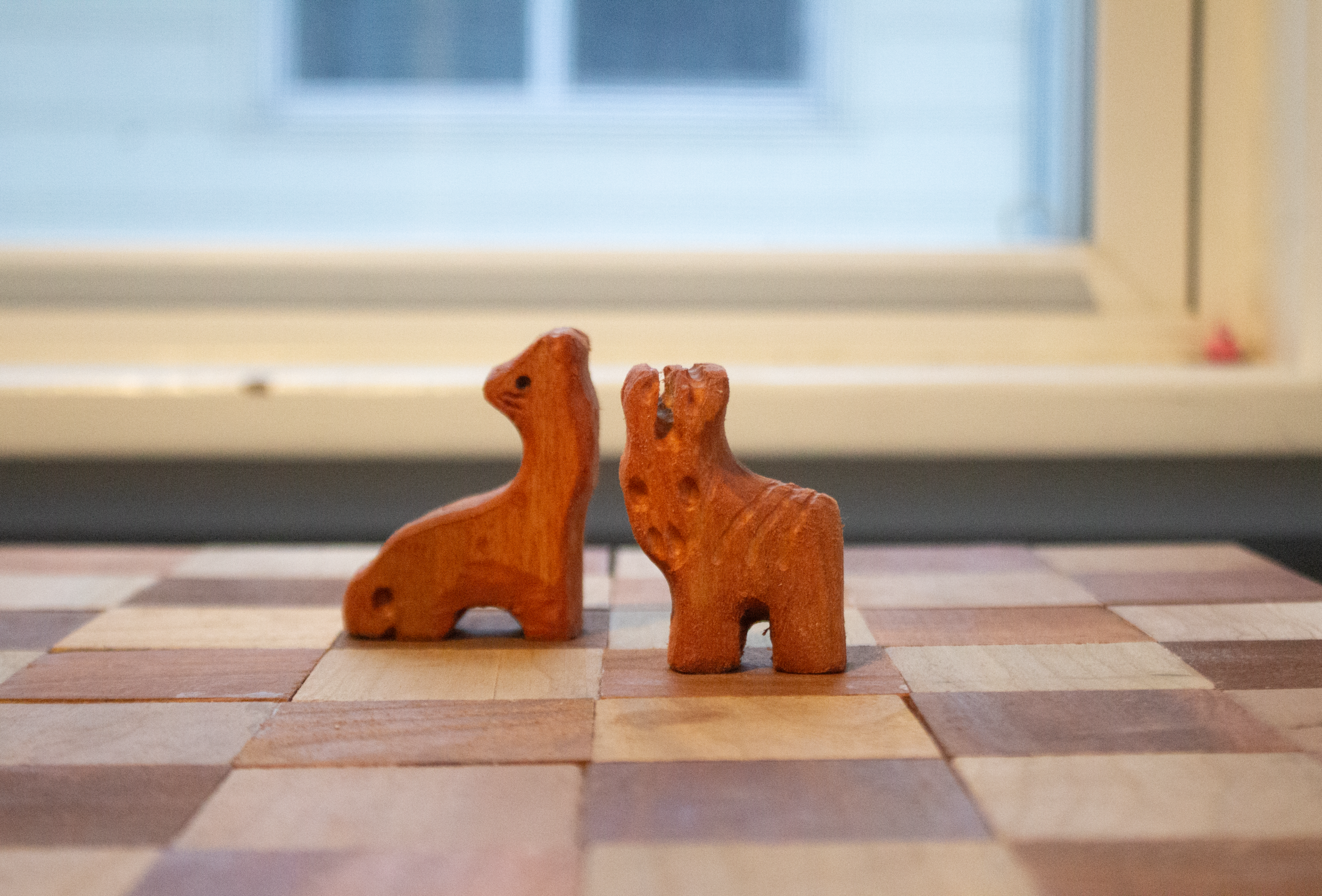
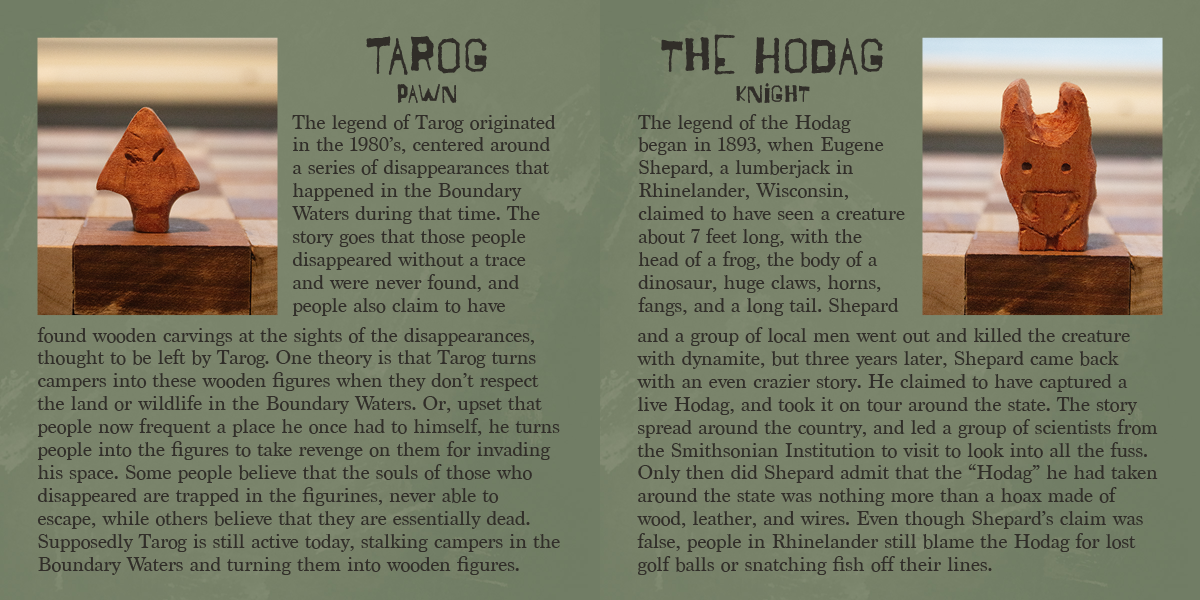
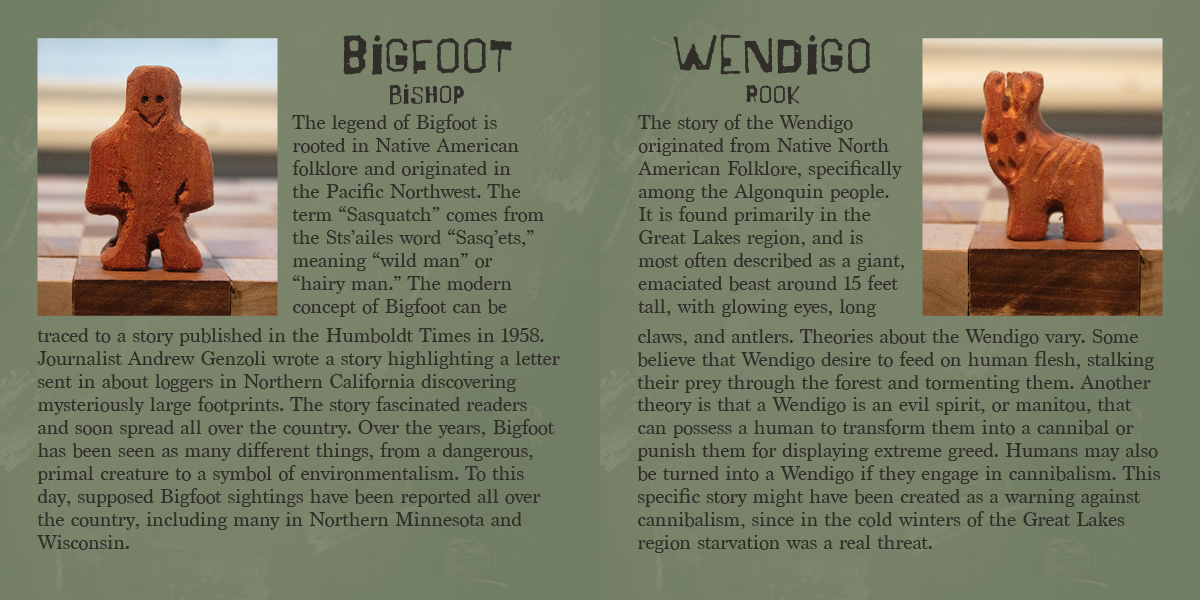
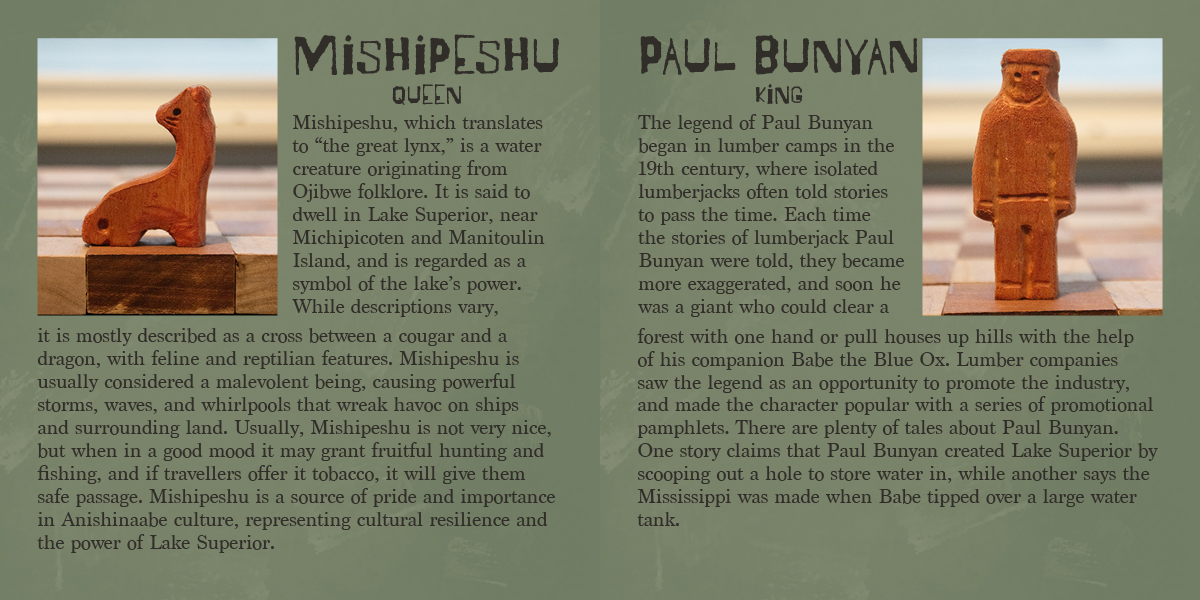
Because my myth is centered around carved wooden figures, I decided to make a chess board as my final. The board itself is made of individual 2"x2" squares, and each piece was hand carved using a knife and a dremel. The pieces each represent a different myth from the northern Minnesota and Wisconsin area (see the guide below).
The purpose of this whole project was not to make something perfect, but to experiment with different forms of designs and different mediums. The chess board was my first experience with wood carving, and it involved a lot of trial and error. Overall, this project shows adaptability and my ability to experiment with different forms of art and design.

Home
Design
Photography
Let's Chat!
Resume